Catalogue
Discover your next read
Loading books…
Catalogue
Loading books…
Catalogue
Search, filter and sort across every book on Booksellr.
Showing 16–30 of 84 books
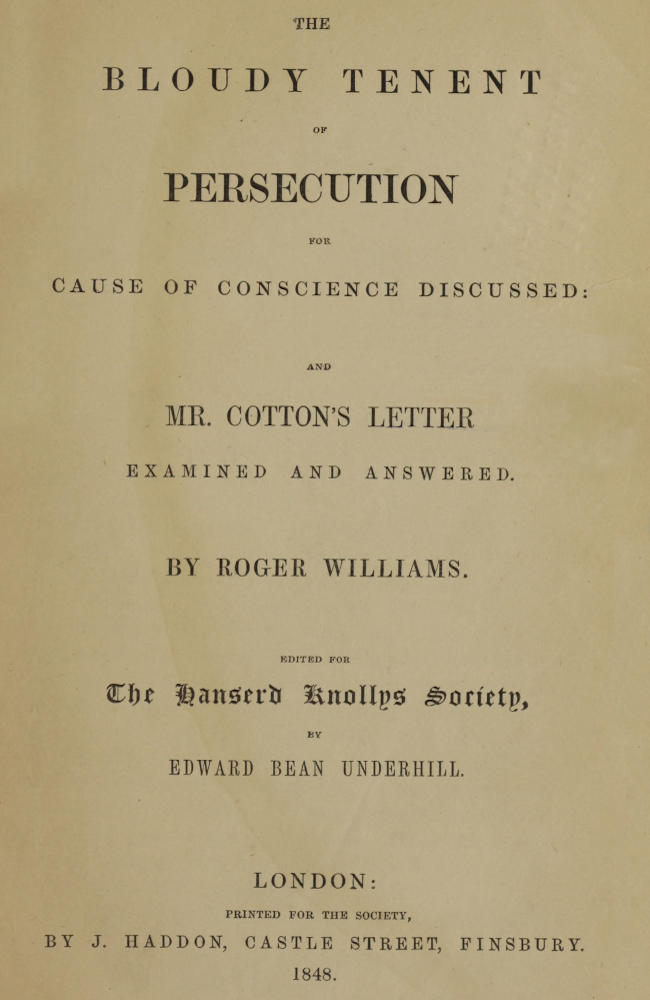
Roger Williams
Roger Williams's 'The Bloudy Tenent of Persecution' passionately argues for religious freedom and the separation of church and state, critiquing the persecution justified by civil authorities and emphasizing the importance of conscience in matters of faith.

Baron George Gordon Byron Byron
In Lord Byron's "Don Juan," the titular character embarks on a tumultuous journey through love, loss, and societal expectations, navigating the complexities of human relationships and the futility of war, ultimately questioning the nature of identity and existence.
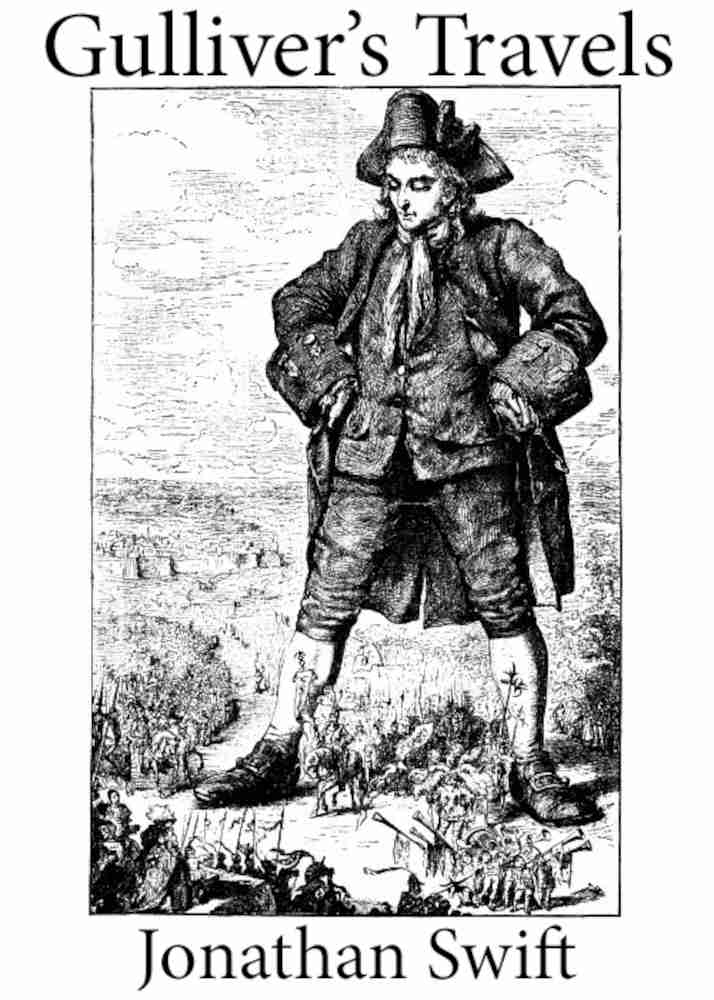
Jonathan Swift
In "Gulliver's Travels," Jonathan Swift chronicles the adventures of Lemuel Gulliver, whose encounters with fantastical societies reveal profound critiques of human nature, societal norms, and the absurdities of politics, ultimately leading to his disillusionment with humanity.
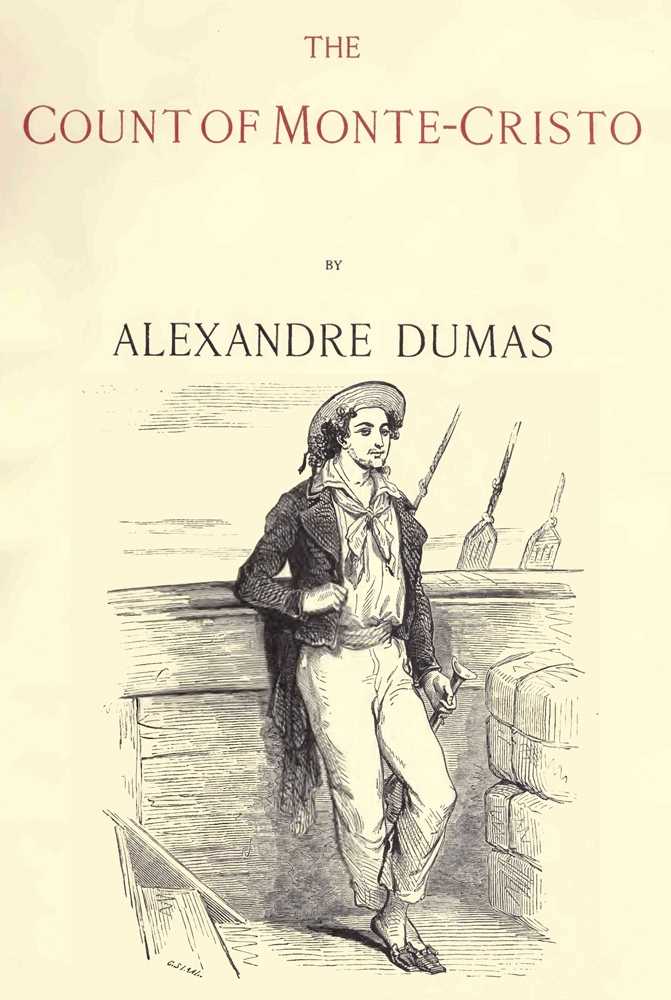
Alexandre Dumas
In *The Count of Monte Cristo*, Edmond Dantès, wrongfully imprisoned by jealous rivals, transforms into the enigmatic Count of Monte Cristo, embarking on a quest for revenge that intertwines themes of betrayal, justice, and the emotional toll of his actions.

Christopher Marlowe
In Christopher Marlowe's 'The Tragical History of Doctor Faustus,' a disillusioned scholar makes a pact with the devil in his quest for ultimate knowledge, only to confront the dire consequences of his ambition and the eternal struggle between good and evil.

John Stuart Mill
In "On Liberty," John Stuart Mill argues for the protection of individual freedoms against societal norms, emphasizing the importance of diversity of opinion and the dangers of conformity while reflecting on personal loss and the influence of women in shaping his philosophical outlook.
Alexis de Tocqueville
In 'Democracy in America — Volume 1', Alexis de Tocqueville analyzes the unique characteristics of American democracy, contrasting it with European models, while exploring themes of social equality, local governance, and the potential dangers of majority rule, ultimately advocating for a balanced approach to liberty and authority.
Walter Bagehot
In 'The English Constitution,' Walter Bagehot analyzes the complexities of the British political system, exploring the roles of the monarchy, Parliament, and electoral reform while advocating for a reevaluation of governance structures to meet modern challenges.
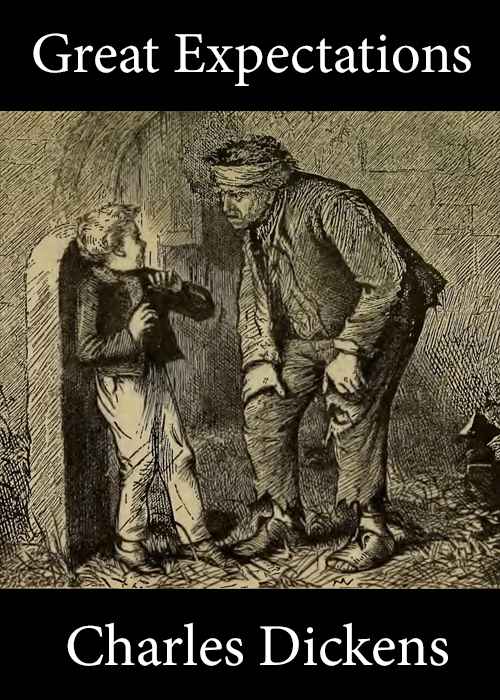
Charles Dickens
"Great Expectations" follows Pip, an orphan whose life changes dramatically after meeting a convict, leading him through a journey of ambition, guilt, and self-discovery as he navigates the complexities of social class and relationships.

Fyodor Dostoyevsky
In "The Brothers Karamazov," Fyodor Dostoyevsky intricately explores the moral and existential dilemmas faced by the Karamazov brothers—Alyosha, the compassionate monk; Dmitri, the passionate son; and Ivan, the skeptical intellectual—against the backdrop of their tumultuous family dynamics and the legacy of their neglectful father, Fyodor Pavlovitch.

graf Leo Tolstoy
In 'War and Peace,' Leo Tolstoy intricately weaves the lives of aristocratic families against the backdrop of the Napoleonic Wars, exploring themes of love, duty, and the search for meaning amidst chaos, ultimately questioning the nature of fate and free will in the grand tapestry of history.
James Joyce
In *Ulysses*, James Joyce intricately explores the intertwined lives of Leopold Bloom and Stephen Dedalus over a single day in Dublin, delving into themes of identity, mortality, and the complexities of human relationships through a rich tapestry of introspective moments and vibrant social interactions.

L. M. Montgomery
In "Anne of Green Gables," spirited orphan Anne Shirley navigates her new life at Green Gables, transforming the lives of her guardians, Matthew and Marilla Cuthbert, through her vibrant imagination and heartfelt journey of self-discovery amidst the challenges of friendship, belonging, and loss.

Mark Twain
Mark Twain's "The Adventures of Tom Sawyer" chronicles the mischievous escapades of a young boy navigating childhood in a small town, exploring themes of friendship, guilt, and the complexities of growing up through a series of adventurous and morally challenging experiences.

Mary White Rowlandson
In her gripping memoir, Mary Rowlandson recounts her harrowing captivity during King Philip's War, exploring themes of loss, resilience, and faith as she navigates the brutal realities of her experience and the longing for reunion with her family.